

Keep these fields in the source log
- Question and conclusion criterion
- URL, author, date and working copy
- Fact, interpretation and justified confidence level


Public research resources · FR / EN
How can a file be produced that another reader can verify ? Practical method, external tools, source log and interpretation limits.
External services · no results hosted here · queries sent only when you click a provider link.


More tools do not make sources independent. A useful file prioritises relevant evidence and wording proportionate to uncertainty.
Entries draw on the providers’ portals or documentation. Each entry shows its latest review date. Check the provider for current access conditions, pricing and quotas.
All words must match. Word order, accents and case do not matter.
3 entries displayed

Choose tools by category and consult their usage guides.
Limit: A tool description authorises neither intrusive collection nor automatic conclusions.
Record reviewed
Study digital content verification methods and editorial examples.
Record the edition, chapter title and date. Check the tool’s current documentation for the features your method relies on.
Limit: Some cited interfaces may have changed; retain the corroboration principle.
Publisher reference · Record reviewed

Organise references, documents, notes and citations in a research library.
Check the author, title and date after import. Where permitted, attach the document or snapshot you consulted and add a separate note identifying the relevant passage.
Limit: A saved reference is not verified; distinguish metadata, copy and commentary.
Publisher reference · Record reviewed
No matching catalogue entry. Try another term or reset the filters.


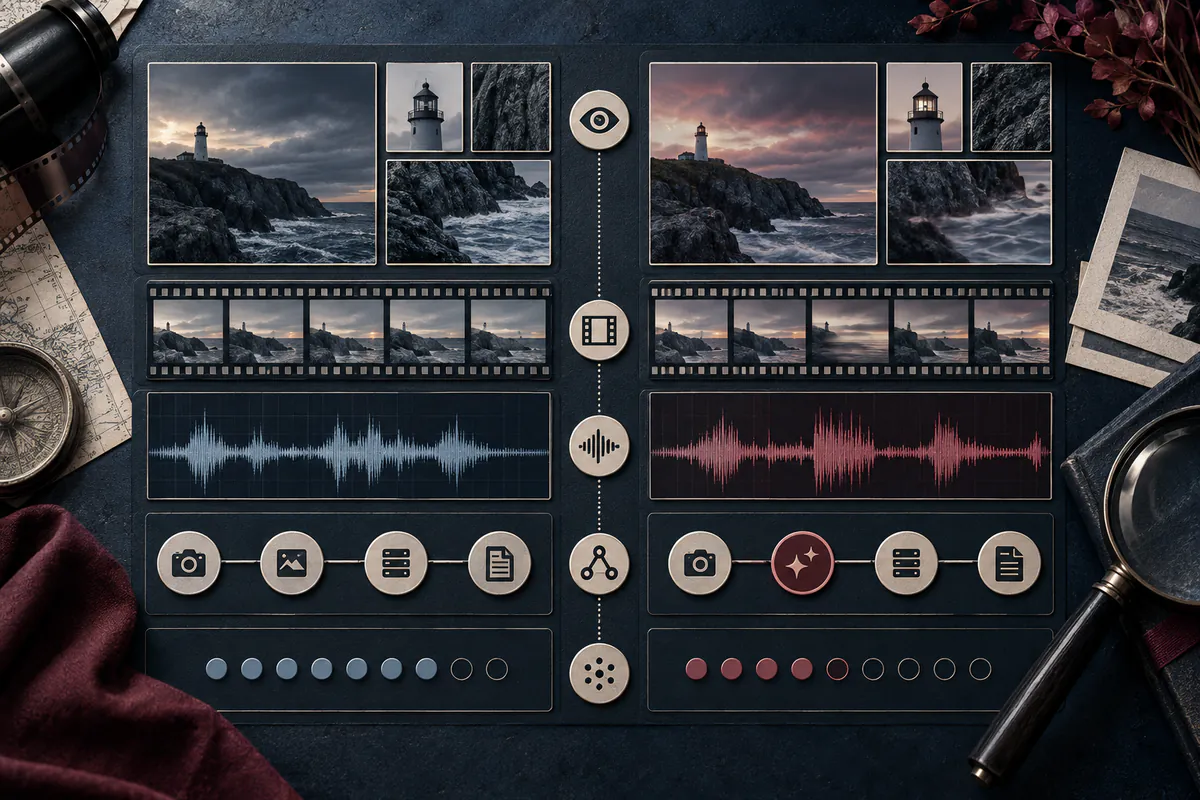


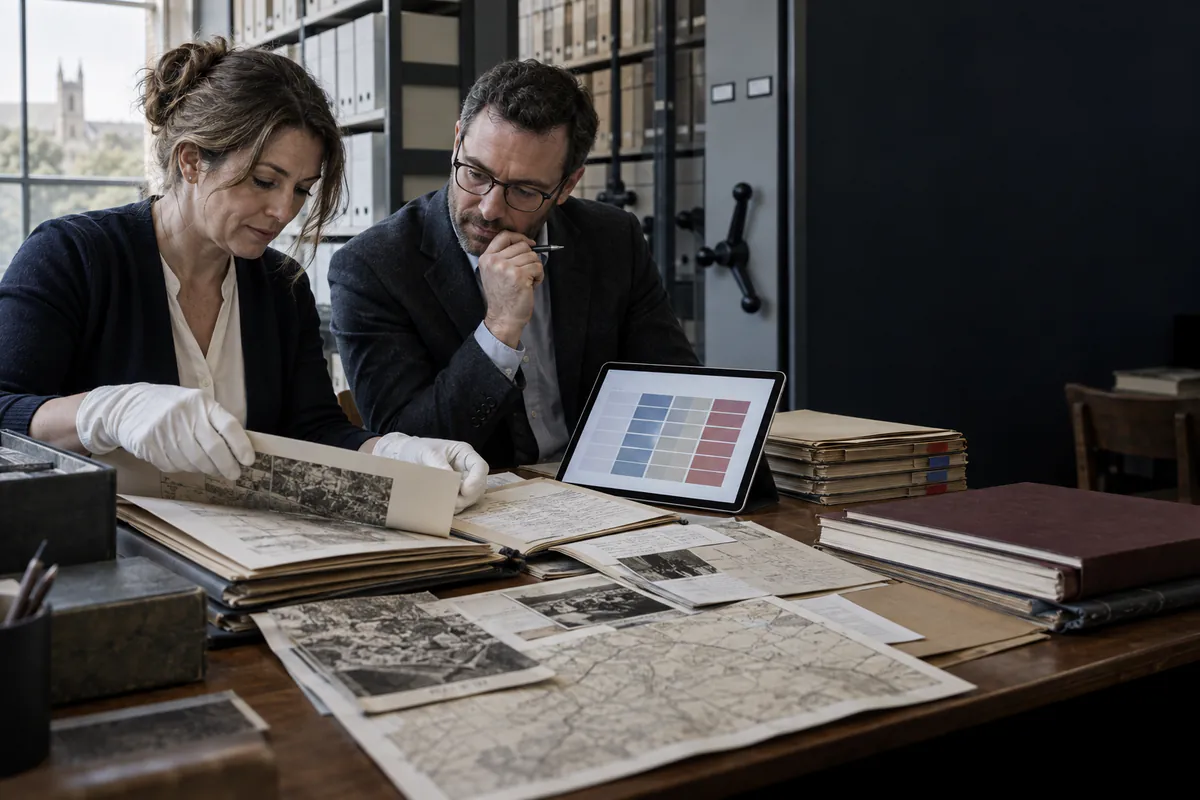
Reading technical evidence
Keep the original value before converting it. The UTC offset is part of the information needed for comparison.
| Observed item | What it means |
|---|---|
| 2026-10-27T10:00:00+01:00 | The same instant as 2026-10-27T09:00:00Z. |
| 10:00 without a timezone | Do not assume UTC or the reader’s timezone. |
| Date only | Do not arbitrarily assign a midnight time. |
Separate event, publication and consultation times in the timeline. Mark unknown precision before ordering events.
Read the original record
A collection note should explain acquisition conditions and the operations performed on a copy.
| Item | Record to retain | Limit |
|---|---|---|
| Acquisition | Source, public or authorised access, method and time with offset. | Never include access secrets in the log. |
| Transformations | Retained original, working copy and described operations. | An annotated file must remain distinguishable from the collected file. |
| Transfer | Recipient, time and purpose with the file reference. | Traceability alone does not establish truth of the content. |
Reading exercise · fictional scenario
A note claims a current affiliation, supported only by a biography published several years earlier.
Before opening the explanation, separate what is observed from what is inferred. Identify the missing check that prevents the broader conclusion.

The affiliation still applies.

The biography supports an affiliation declared at publication time. Current validity remains to be confirmed.
Date the observation and seek a recent source; state what new evidence would change the conclusion.
This exercise illustrates an interpretation error. It describes no real person, organisation or client case.
On the selected provider’s website, in a new tab. IIS does not retrieve, host or display investigation results. Directory filters only filter the editorial catalogue.
The launchpad builds links inside your browser, without sending the query to IIS or storing it in browser storage. Clicking a prepared link sends the query to the named provider, under its own rules.
No. Access may require an account, subscription, software or quota. The catalogue is available in French and English; providers set their interface languages, coverage and conditions.
No. Index coverage, spelling, language, access limits and capture dates can explain a missing result. Record what was searched and what remains unknown.